About Our Lab
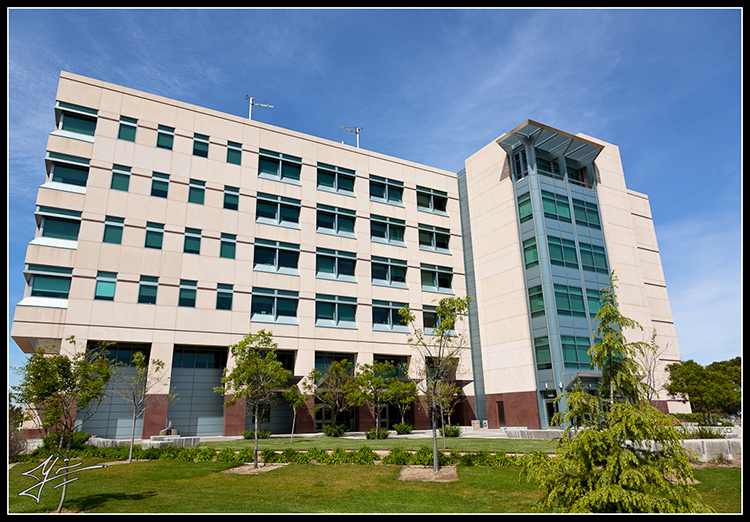
Genome and Biomedical Sciences Facility. University of California, Davis.
Why we do what we do
Medicine, agriculture, and other biology-related industries will increasingly depend on the information encoded in genomic DNA. The technological achievements in the past 20 years have made sequencing a genome a relatively simple task. Decoding this information, however, has proved to be much more difficult, and is one of the great challenges for this century. Advancing our understanding of how genes are structured and regulated will eventually lead to novel therapeutics for combating cancer and other diseases, to cheaper and more nutritious food, to less wasteful materials and energy sources, and to a greater understanding of ourselves. Genome analysis is 21st Century rocket science.
How we do what we do
We are interested in structure and function in genomic sequence. Specifically, our research seeks to build better models of eukaryotic genes by investigating the individual components that define gene structure. Our research employs a combination of computational modeling, comparative genomics, and experimental molecular biology. Computational models of functional elements such as promoters, enhancers, exons, introns, etc. summarize what we know about these sequence fatures. In practice, computational models are often inaccuarate, and this indicates we have much to learn about genes and genomes. Comparative genomics can help shed light on the important parts of genomes, but ultimately we must be able to derive function from sequence alone. Here, experimental molecular biology is particulary important, because algorithms must be tested.
Korf Lab in the news
Jun 26, 2015: Keith Bradnam is interviewed by Frontline Genomics Magazine about his life in Bioinformatics.
Apr 8, 2015: Ian Korf is quoted in a Nature commentary article about Bioinformatics Service cores and the need for beter career paths for bioinformaticians.
Mar 16, 2015: Danielle Lemay is interviewed by the UC Davis News team about the new publication by herself, Kristen Beck (lead author), Ian Korf and others that describes new milk proteomes for human and macaque.
Apr 22, 2013: The Assemblathon 2 paper has won the 2013 BioMed Central Open Data award
Dec 10, 2013: A short piece in the UC Davis Alumni Magazine that discusses the new Genomics undergraduate major that Ian Korf co-developed.
Nov 26, 2013: Ian Korf writes a News & Views piece for Nature Methods about two new comparisons of programs that work with RNA-seq data
Nov 1, 2013: Keith B. and Kristen are both featured in a piece on Inquiring Minds as part of the new One UC Davis campaign.
Quick Links
Unix & Perl for Biologists
Our free 175-page primer that teaches the basics of Unix & Perl
Unix & Perl to the RESCUE!
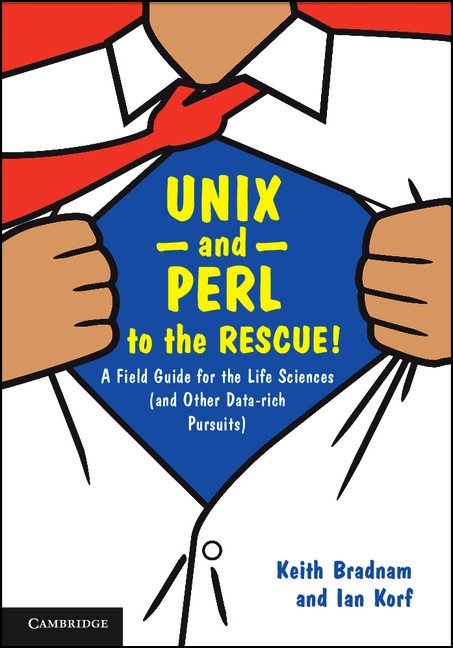
Our book that greatly expands on our free primer.
Bits & Bites
A regular discussion forum at the Genome Center for all things relating to sequence analysis
UC Davis Genome Center
Where we work
UC Davis Bioinformatics Core
Part of the Genome Center
Contact Us
For questions or comments about the website, please e-mail:
korflab AT ucdavis DOT edu
Contact information for specific members of our lab can be found on their personal pages.